

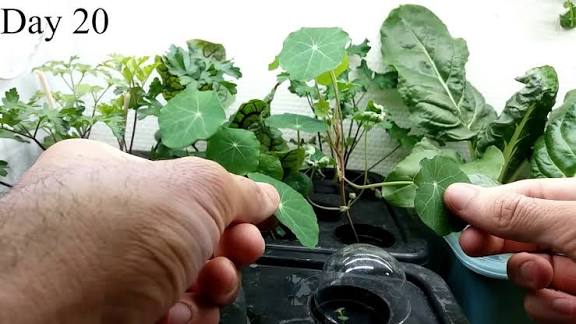
Discover how to grow hydroponic nasturtiums successfully at home. Learn about nutrient requirements, lighting, and care tips for these edible, colorful flowers.
Hydroponic gardening offers an efficient and innovative way to grow plants without soil, and nasturtiums are one of the most rewarding options for enthusiasts looking to add color and flavor to their setup. Known for their bright, edible blooms and peppery leaves, nasturtiums adapt surprisingly well to hydroponic systems. Whether you’re growing them for their ornamental appeal or culinary use, hydroponic nasturtiums bring both beauty and utility to your indoor garden.
Why Grow Nasturtiums Hydroponically?
Traditionally grown in soil, nasturtiums are hardy plants that thrive in a variety of conditions. However, hydroponic systems offer several advantages for these vibrant flowers. Growing nasturtiums hydroponically allows for faster growth, cleaner harvests, and year-round cultivation. Because hydroponics provides precise control over nutrients and moisture, you can optimize growth and flavor without worrying about pests or poor soil conditions.
Another major benefit is space efficiency. Hydroponic nasturtiums can be grown in compact systems, such as vertical gardens or countertop setups. This makes them perfect for urban gardeners or anyone with limited outdoor space.
Best Hydroponic Systems for Nasturtiums
Nasturtiums grow best in systems that provide good oxygenation and steady moisture. The Kratky method, deep water culture (DWC), and nutrient film technique (NFT) are ideal choices.
- Kratky Method: This passive system is great for beginners and requires no electricity. Simply suspend the roots above a nutrient solution and allow the plant to draw in nutrients as it grows.
- DWC: Offers continuous nutrient and oxygen supply via an air pump, promoting lush foliage and vibrant blooms.
- NFT: Perfect for those with multiple plants, it provides a constant flow of nutrient solution over the roots.
Each system supports healthy growth, but the key is maintaining consistent pH and nutrient levels.
Nutrient and Light Requirements
Hydroponic nasturtiums prefer a pH range of 6.0 to 6.5. They don’t need heavy feeding; a balanced, all-purpose hydroponic nutrient mix works well. Aim for a nutrient solution with moderate nitrogen levels, as too much can lead to lush foliage but fewer flowers.
Lighting plays a crucial role. Nasturtiums need at least 12–14 hours of light per day. LED grow lights are ideal, as they provide the full spectrum needed for both foliage and bloom development. Place the lights about 12 inches above the plants and adjust as they grow.
Temperature and Airflow
Nasturtiums thrive in temperatures between 60°F and 75°F (15°C–24°C). Avoid extremes, as too much heat can cause stress, while cold can stunt growth. Good airflow helps prevent fungal diseases and supports strong stems.
Harvesting and Uses
Both the leaves and flowers of nasturtiums are edible and carry a peppery, slightly spicy flavor. You can harvest the leaves once they reach a good size, while the flowers can be picked as soon as they open. They’re perfect for salads, garnishes, or as colorful toppings on savory dishes.
Final Thoughts
Growing hydroponic nasturtiums is a satisfying way to enjoy ornamental beauty and fresh, flavorful greens indoors. With the right system and care, you’ll be rewarded with continuous blooms and a steady supply of edible flowers. To learn more about hydroponic setups and nutrient management, visit rochesterhydroponics.net for expert insights and quality gardening supplies.
Hydroponic nasturtiums prove that even the most decorative plants can flourish in soilless environments, bringing a blend of aesthetics and taste to your indoor gardening adventure.