

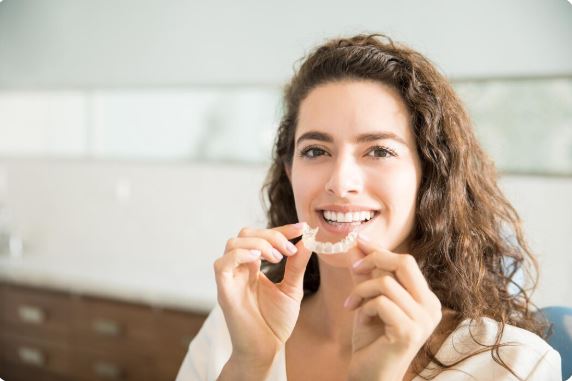
Aligners are modern dental devices designed to straighten teeth without the need for traditional metal braces. They are transparent trays that fit snugly over the teeth and gradually move them into a better position. Many people choose aligners because they are nearly invisible and can be Aligners when eating or brushing. This makes them an attractive option for adults and teenagers who want a more comfortable and discreet way to improve their smile.
How Aligners Work
Aligners work by applying gentle, controlled pressure to the teeth. A dentist or orthodontist takes digital scans or impressions of your mouth to create a custom treatment plan. A series of trays is then made, each slightly different from the previous one. Every few weeks you switch to a new set of trays, which continues to guide your teeth toward the planned alignment. The gradual process helps reduce discomfort while achieving steady progress.
Benefits Of Using Aligners
One of the biggest advantages of aligners is their appearance. Because they are clear, they are much less noticeable than metal braces. They are also removable, so you can take them out when eating meals or cleaning your teeth. This makes it easier to maintain good oral hygiene and avoid food restrictions. Aligners often require fewer visits to the dentist compared to traditional braces, which can save time.
Comfort And Convenience
Aligners are made from smooth plastic, which reduces the chance of irritation inside the mouth. Unlike braces, there are no wires or brackets that can cause sores or discomfort. You can remove the trays for special occasions or when brushing and flossing. This flexibility allows you to continue daily activities like sports or playing musical instruments without the worry of damage.
Treatment Time With Aligners
The length of treatment with aligners depends on the complexity of the dental issue. Minor adjustments might take only a few months, while more significant changes may require a year or more. Consistency is important. Wearing the trays for the recommended 20 to 22 hours per day is key to reaching the desired results within the planned time. Skipping wear time can delay progress.
Who Can Use Aligners
Aligners are suitable for many people, including teenagers and adults. They can correct a variety of problems such as crooked teeth, gaps, and certain bite issues. However, severe dental problems might still require traditional braces or other treatments. A professional dental evaluation is necessary to decide if aligners are the right choice for your specific needs.
Caring For Aligners
Proper care keeps aligners clean and clear. They should be rinsed with lukewarm water and gently brushed with a soft toothbrush every day. Hot water should be avoided because it can warp the plastic. When not in use, the trays should be stored in a protective case to prevent damage or loss. Good oral hygiene, including regular brushing and flossing, is also important to avoid staining or decay.
Cost And Accessibility
The cost of aligners varies depending on the length and complexity of treatment. While they may be more expensive than traditional braces in some cases, many people find the comfort and appearance worth the price. Payment plans or insurance coverage may help reduce expenses. It is wise to discuss the full cost and options with your dental professional before starting treatment.
Potential Challenges
Although aligners offer many benefits, they require discipline. Because they are removable, some people may forget to wear them as directed. Losing or damaging a tray can slow progress and add expense. Minor discomfort may occur when switching to a new set of trays, but this usually fades quickly. Regular dental checkups remain necessary to monitor results and make adjustments.
Conclusion About Aligners
Aligners provide a simple and discreet solution for improving the alignment of teeth. They offer comfort, convenience, and effective results when used properly. With proper care and commitment, many people can achieve a straighter smile without the look or feel of traditional braces. A consultation with a qualified dentist or orthodontist is the best way to learn if this treatment is right for you.