

Introduction to Modern Fat Reduction Methods
For many years, stubborn fat deposits have been one of the most common aesthetic concerns. People often spend countless hours in the gym and commit to strict diets, yet certain areas of fat remain resistant to traditional methods. While surgical procedures such as liposuction were once the dominant solution, not everyone is willing to undergo invasive treatment with associated risks and downtime. In recent years, advances in cosmetic medicine have introduced less invasive options that provide noticeable results without surgery. At the heart of this innovation is the lipolytic injection, a treatment designed to dissolve localized fat and contour the body in a safe and effective way.
How the Treatment Works
The treatment process is based on a simple principle: breaking down fat at the cellular level. The injection contains active compounds that disrupt the fat cell membrane, causing the stored lipids to release and be naturally eliminated by the body’s metabolic processes. Once the fat cells are destroyed, they do not regenerate, making the results long-lasting as long as a healthy lifestyle is maintained. This scientific mechanism makes the procedure appealing for those who want targeted improvements rather than overall weight loss.
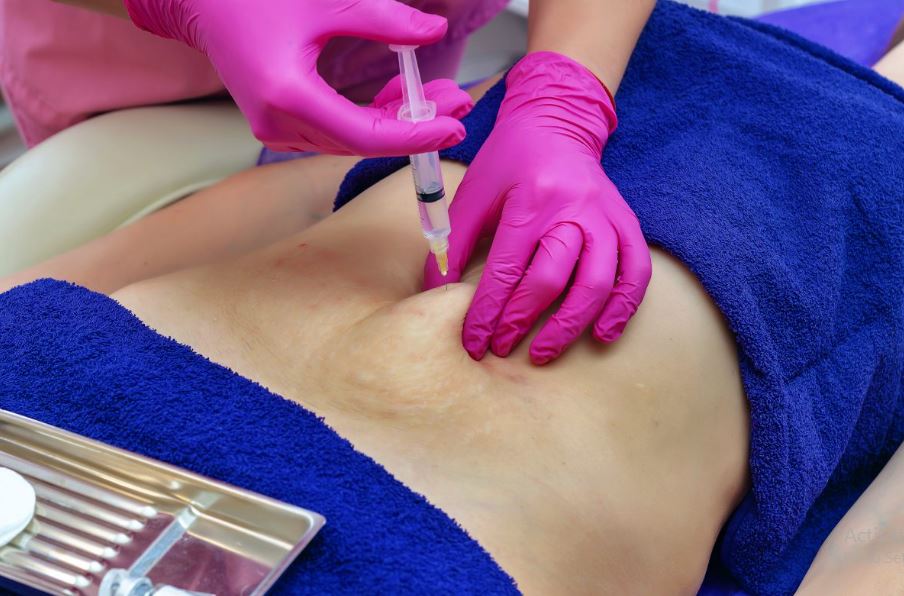
Typically, the treatment involves a series of small injections directly into the area of concern. The procedure is performed in an outpatient setting, often taking less than an hour. Mild swelling or redness may occur afterward, but recovery is usually minimal, allowing patients to return to daily activities quickly.
Areas of the Body Best Suited for Treatment
One of the most attractive aspects of this method is its versatility. It can be applied to a variety of body zones where fat tends to accumulate. Common areas include the double chin, abdomen, thighs, upper arms, and flanks. These are places where diet and exercise frequently fall short, making localized treatment especially valuable.
Patients often notice gradual improvements over a period of weeks, as the body processes the broken-down fat cells. Depending on the size of the area and the amount of fat, multiple sessions may be recommended. The progressive nature of the results ensures a natural-looking outcome, which is a significant advantage compared to abrupt surgical changes.
Advantages Over Traditional Procedures
When compared to traditional surgical fat reduction, this non-surgical approach offers a long list of advantages. First and foremost, there is no need for general anesthesia, hospital stays, or extended recovery periods. Many individuals are drawn to the convenience of a treatment that can be done during a lunch break, with little interruption to their daily lives.
Additionally, the risk profile is significantly lower. While no cosmetic procedure is entirely without risk, complications are rare and generally mild. Patients often experience only temporary tenderness or swelling, which resolves naturally. Another important benefit is the precision of the method. Unlike weight loss through diet, which reduces fat globally, targeted injections allow for sculpting specific problem areas without affecting surrounding tissues.
Who Can Benefit from the Procedure
This treatment is best suited for individuals who are already close to their ideal weight but struggle with localized fat deposits that do not respond to traditional lifestyle approaches. It is not intended as a solution for obesity or as a substitute for a healthy diet and regular exercise. Instead, it should be viewed as a contouring method, enhancing natural body shape and helping patients feel more confident in their appearance.
The ideal candidate is someone who understands that results develop gradually and that multiple sessions may be required for optimal outcomes. Maintaining realistic expectations is crucial, as the goal is improvement rather than perfection. A consultation with a qualified medical professional is always necessary to determine suitability and to design a treatment plan that aligns with individual needs.
The Future of Non-Surgical Aesthetics
The growing popularity of non-invasive cosmetic procedures highlights a cultural shift in how people approach body image and self-care. Individuals are increasingly seeking solutions that are effective, safe, and require minimal downtime. This trend has fueled ongoing research into advanced injectables, with the aim of refining formulas and expanding treatment options.
The rise of treatments like this demonstrates that the future of aesthetics lies in personalization. Instead of one-size-fits-all surgeries, patients now have access to tailored solutions that target specific concerns. The continuous development of injection techniques and improved formulations will likely expand the range of treatable areas and reduce side effects even further.
Conclusion
The introduction of this innovative fat reduction method represents a major advancement in aesthetic medicine. By offering a non-surgical option for eliminating stubborn fat, it bridges the gap between traditional weight management strategies and invasive cosmetic procedures. Patients can achieve subtle yet noticeable improvements without undergoing surgery, making the treatment a true breakthrough for those seeking safe, effective, and convenient body contouring.
As awareness grows and technology advances, non-invasive solutions will continue to reshape the landscape of cosmetic care. For anyone frustrated by resistant fat pockets and unwilling to pursue surgical alternatives, this injection-based approach offers a promising path toward renewed confidence and improved self-image.